Kord
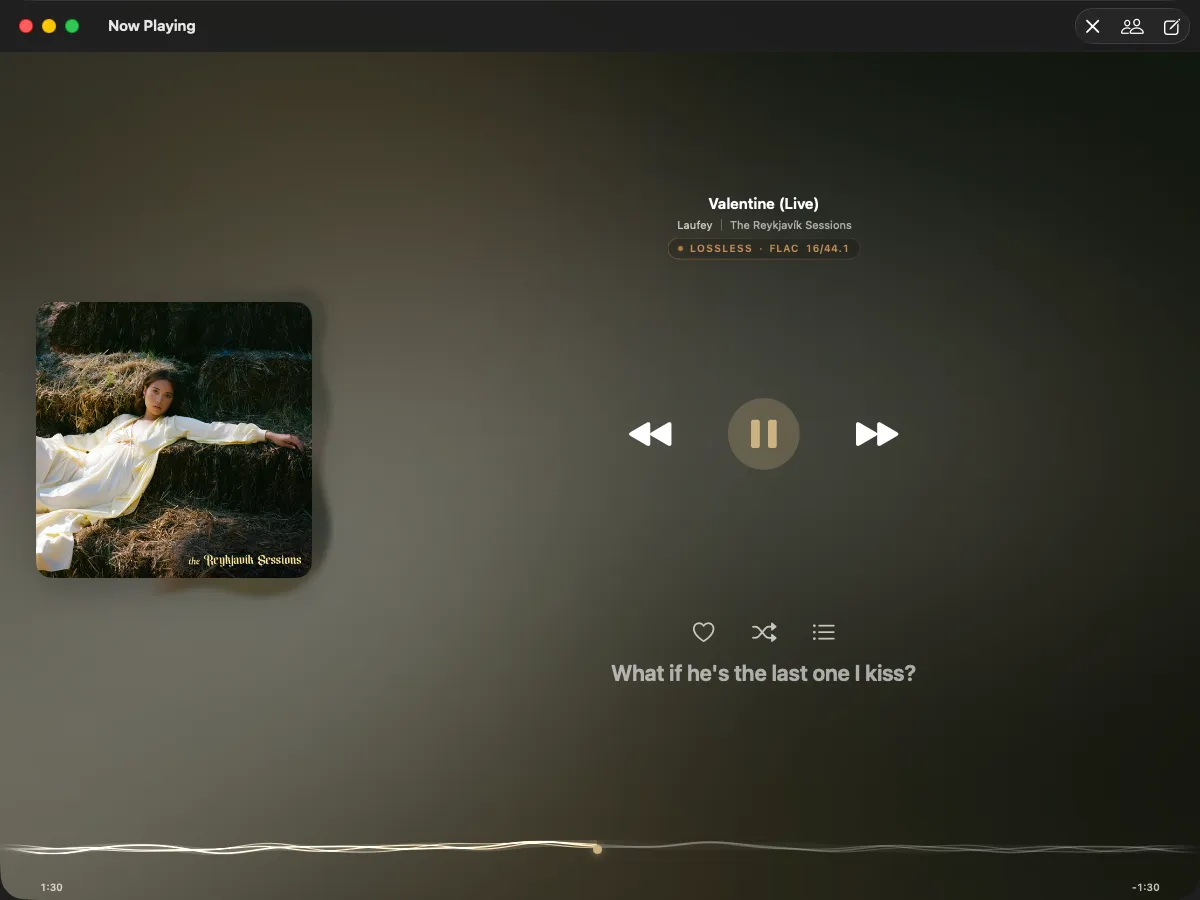
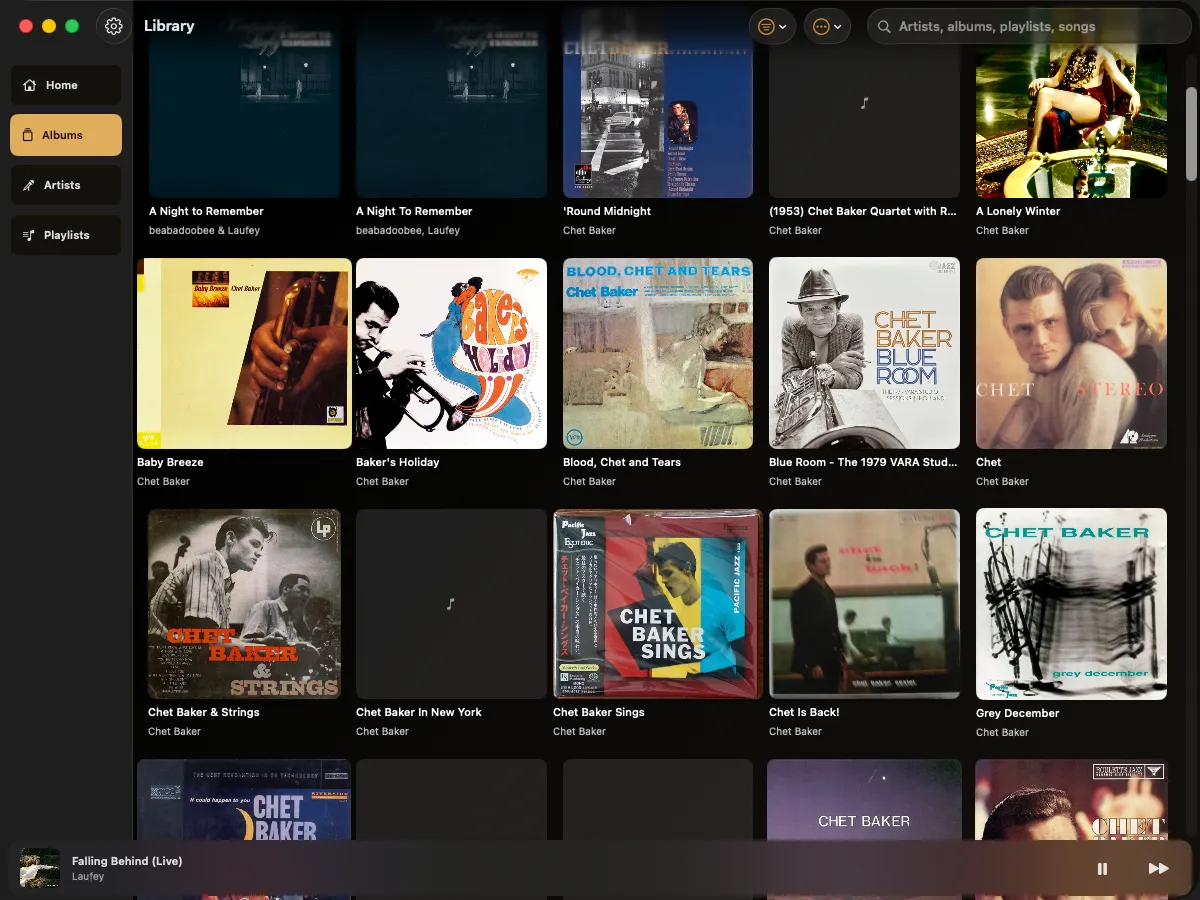
I released Kord, a native FLAC player for iPhone that brings local and connected libraries together.
I kept buying FLACs on Bandcamp and Qobuz, and then had nowhere good to play them on my iPhone. The closest thing to a real local-file player on iOS was foobar2000. Even apps that advertise "lossless" tend to quietly resample or transcode on the way out, with a system mixer, hidden EQ, or loudness normalization sitting between the file and your DAC. The file you paid for never reaches your ears untouched.
I built the iPhone app I wanted in native Swift. Kord reads FLAC from Apple Files and connected Google Drive or Jellyfin sources, then adds optional parametric EQ, lyrics, and library organization. What reaches the output depends on the iPhone, audio route, and settings.
FLAC playback
Play FLAC files from Apple Files, individually authorized Google Drive files, or a reachable Jellyfin server. Output depends on the iPhone, audio route, and settings.
Parametric EQ
Real per-band control — center frequency, gain and Q on every band — with saveable presets per device and instant bypass to A/B against the untouched signal.
Synced lyrics
Line-by-line lyrics from your own files, manual imports, or an optional user-supplied source URL, with timing that follows playback.
Self-organizing library
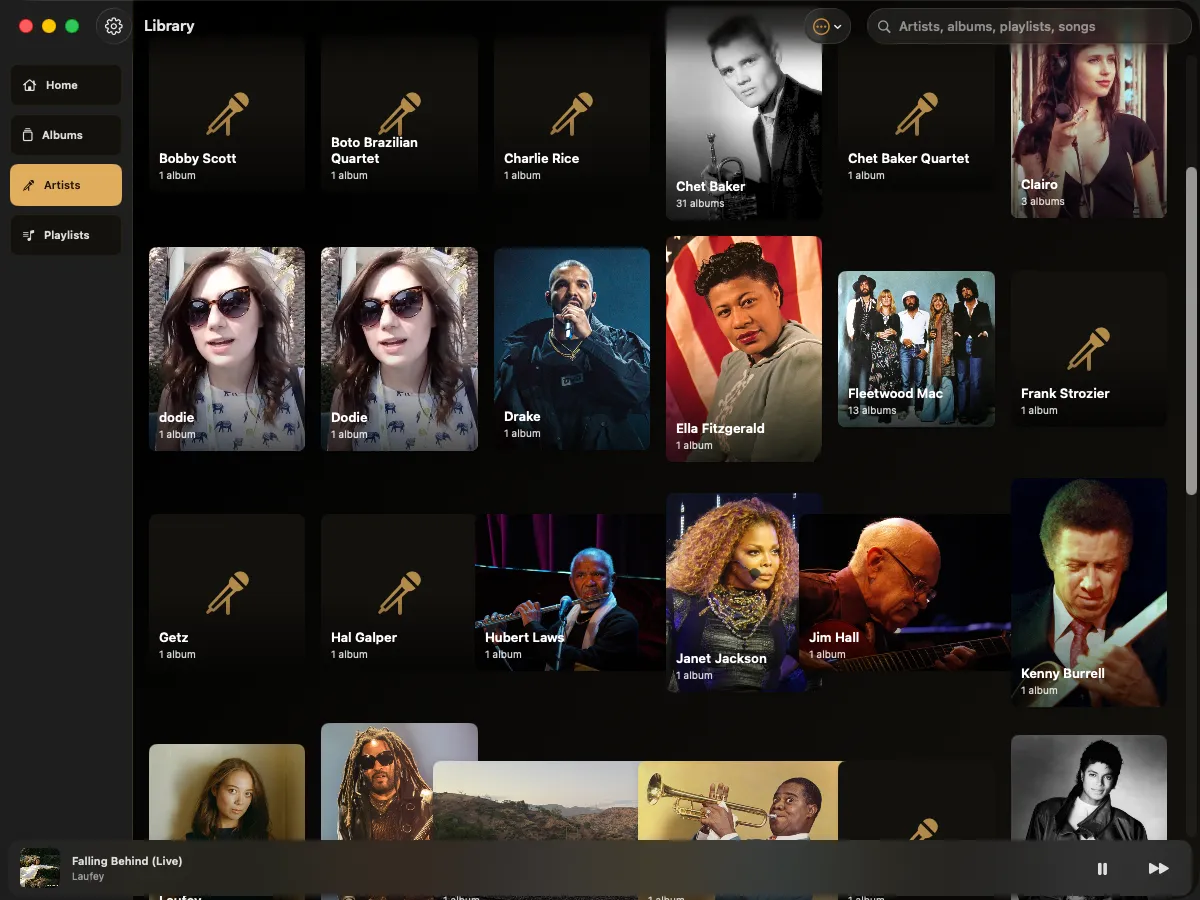
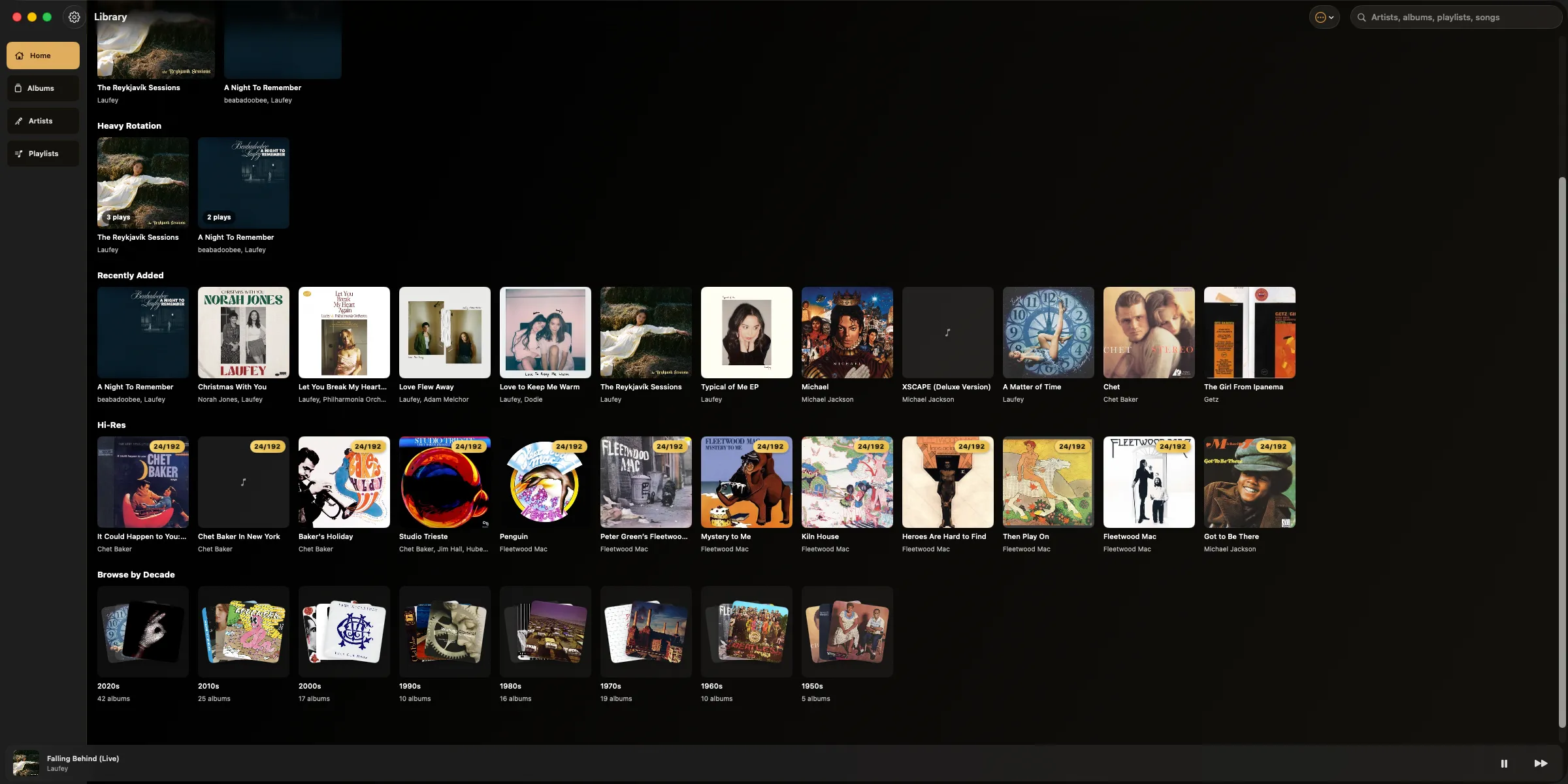
Point Kord at a folder and it reads tags, groups albums and artists, fetches artwork and lets you browse by artist, album or decade — so you spend your time listening, not filing.
Shipping a real audio app means owning the unglamorous edges long before any of it is visible: sample-rate switching, DAC routing, metadata that lies about what a file really is, a support channel. Keeping the source private but the triage public, through a feedback tracker with structured issue forms, turned out to be a clean way to involve listeners without exposing the build.